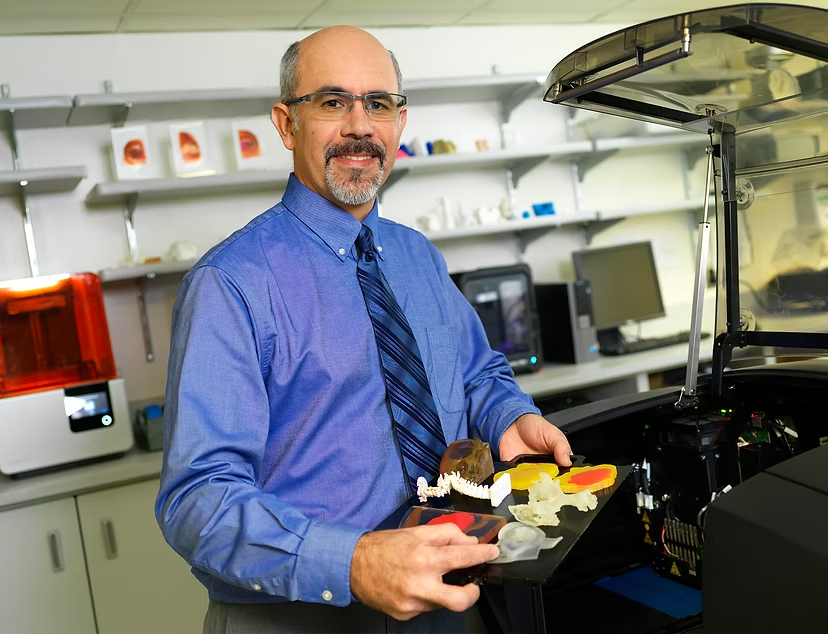
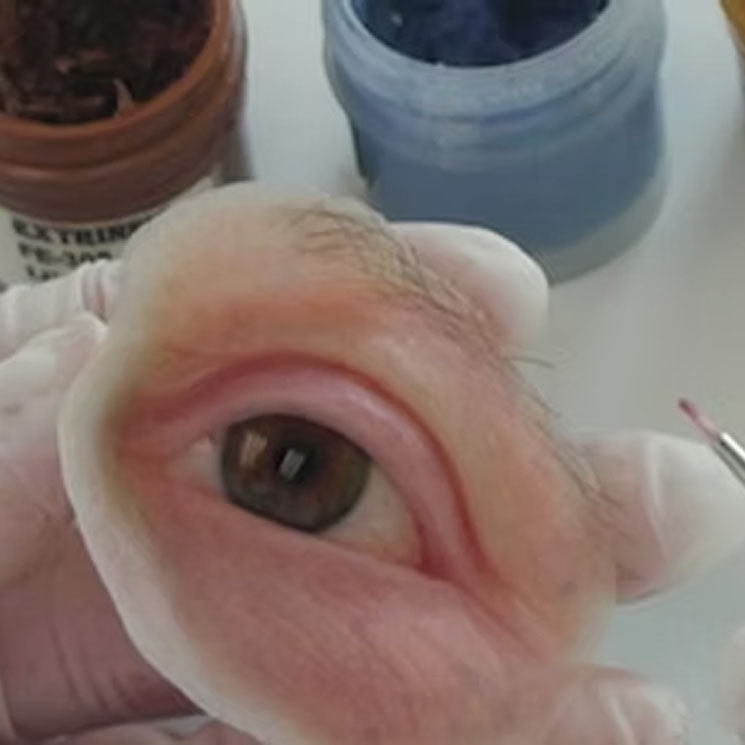
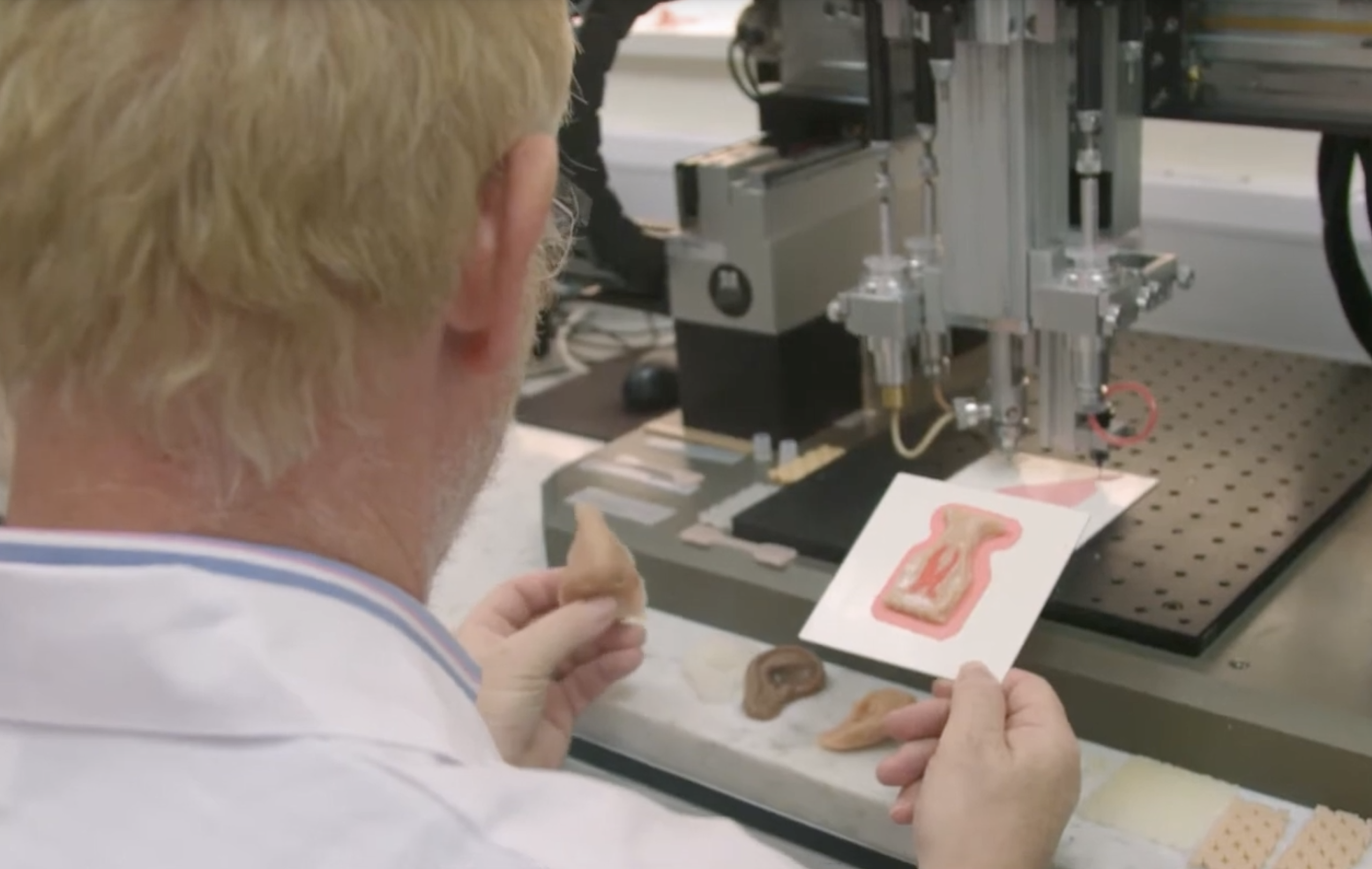
The BCCA promotes and provides certification in clinical anaplastology for the enhancement of patient care and professional practice.
The CCA designation is formal recognition that these professionals have the formal education, the subsequent supervised practice in professional clinical anaplastology, have passed the rigorous BCCA examination and have demonstrated possessing the broad and in-depth knowledge required for effective practice in the profession of clinical anaplastology.
Our Mission
The Board for Certification in Clinical Anaplastology strives to uphold the highest standards in education and excellence in the practice of clinical anaplastology
Our Vision
The vision of the Board for Certification in Clinical Anaplastology is to be recognized as the leader in clinical anaplastology credentialing.
Our Value
The Board for Certification in Clinical Anaplastology (BCCA) is a certifying body for professionals practicing clinical anaplastology
The BCCA maintains that individuals providing anaplastology services should hold the Certified Clinical Anaplastologist (CCA) designation as evidence that they have demonstrated the minimum level of professional competency established by the BCCA for patient care.
The BCCA also maintains that professionals who provide facial and external soft tissue somatic prostheses should be directly involved in both the clinical care and fabrication of the prosthesis. This standard reflects the BCCA’s commitment to professional ethics and helps provide the public with assurance regarding the skills and competency of professionals delivering anaplastology services.

What is Anaplastology
Anaplastology is a profession with deep historical roots in rehabilitative medicine. Ana– again, anew, upon
plastos– something made, formed, molded
ology– the study of

CCA Eligibility
All documents and application forms referenced on this site can be found on the Resources & Downloads page.
CCA Maintenance
In order to maintain certification through BCCA, credentialed individuals are required to comply with the BCCA Code of Conduct and Administrative Procedures and the continuing education standards as set forth by the Board of Directors.

CCA Directory
Search for a Board Certified Clinical Anaplastologist by name or location.

About BCCA CCA
The BCCA is a volunteer board advancing clinical anaplastology through patient care, medical awareness, and support for members’ research and professional development.
CCA Exam
The CCA examination contains 100, four-option multiple-choice questions. Candidates have three (3) hours to complete the paper-and-pencil examination.
Resources
Find annual reports, guidelines, our code of ethics, applications, pathways and other important documentation

Board of Directors
The Board endeavors to advance clinical anaplastology by certifying competent clinical anaplastologists, promoting education and research, and elevating the standard of care in professional practice.
Pathways to Certification
The Board for Certification in Clinical Anaplastology (BCCA) developed the CCA certification process following the rigorous certifying protocols set out by the Institute for Credentialing Excellence.
Although based in the USA, the BCCA certifies clinical anaplastologists world wide and the CCA designation is formal recognition that an entry-level anaplastologist professional has met the eligibility requirements, including formal education and subsequent supervised practice in a clinical setting, and passed the CCA certifying examination.
The CCA designation was developed to be an important criteria for government regulators and government and private insurance payers to determine the competency and scope of providers of facial and somatic prostheses. The BCCA supports the position that government agencies and government and private payers require all anaplastology providers have the CCA designation.
The CCA designation enables patients to feel confident that anaplastology providers have the clinical skills and knowledge required to design and fabricate facial and other types of soft tissue somatic prostheses.
Similar to other medical fields, anaplastology is a dynamic profession that is continuously evolving in response to the needs of patient and the availability of new technologies that enable practitioners to provide better patient care.
The Board for Certification in Clinical Anaplastology (BCCA) is a certifying body that defines and quantifies the skills required for competency in anaplastology. The BCCA is not a school.
Certified Clinical Anaplastologists can enter the field from several different educational backgrounds before they undergo their clinical training, creating an exciting field with professionals that have a diverse range of skills that are organized around core competencies that have been identified and quantified by the BCCA.
This breadth produces a field that is rich in diversity with Certified Clinical Anaplastologists who can respond to today’s healthcare needs and who continue to develop their skills with continuous education so they can meet the needs of tomorrow’s patients .
By acting as a certifying body, the BCCA enables anaplastology practitioners worldwide to complete their educational requirements and gain their clinical experience wherever they live. The BCCA exam and required portfolio submission of completed patient cases are used to validate their achievements and their competency and enables the BCCA to confer the coveted CCA designation.

For information on eligibility and the application process, click here.
For information on the portfolio and written exam, click here.
News & Announcements

2026 International Anaplastology Association Annual Meeting
July 8–11, 2026, at the Armstrong Medical Education Building on the East Baltimore campus of Johns Hopkins School of Medicine and Hospital.

CCA-Only Forum – Reminder: Indicate Your Intent to Participate
Date: Sunday, July 12, 2026
Time: 8:00 AM – 5:30 PM
Location: Hyatt Place Inner Harbor, Baltimore, MD
The Value of the Certified Clinical Anaplastologist (CCA) Designation
CCA is formal recognition for entry-level anaplastologist professionals who have met rigorous and demanding eligibility requirements, including formal education, subsequent supervised practice in a clinical setting, and passing of the examination.
The CCA demonstrates healthcare-specific competency and a commitment to consumer safety by health professionals who provide patients with customized prosthetic rehabilitation. The prostheses are designed and fabricated to normalize the appearance of the face or body impacted by congenital malformation, traumatic injury, disease or ablative surgery.
Professionals who earn the CCA designation have the clinical skills and knowledge to design and fabricate life-like and functional soft tissue prostheses including facial and other external somatic prostheses as well as ocular prostheses.
The CCA is typically employed in medical practice settings such as university hospital settings, dental clinics and prosthetics specialty practices.
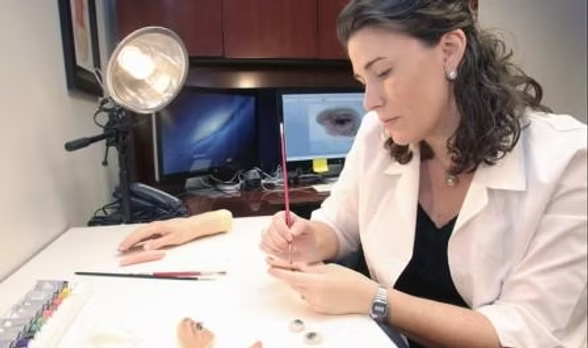
This credential demonstrates a depth and breadth of knowledge necessary for effective practice in the profession of anaplastology.
- The public deserves assurance of competency and adherence to a code of ethics in our specialized field.
- CCA is preferred or required by some employers.
- Certification is required by governmental bodies for non-physician providers.
- Certification demonstrates a level of commitment to your profession and lifelong learning.

Find a Certified Clinical Anaplastologist
Certified Clinical Anaplastologists
Ready to get started?